Diverse community members working together on youth vaping prevention initiatives

Why Community-Based Prevention Matters

Youth vaping isn’t just a school issue or a family issue—it’s a community issue. When schools, parents, healthcare providers, local government, and community organizations work together, they create a powerful support network that protects young people from nicotine addiction. Research consistently shows that coordinated community prevention efforts are more effective than isolated interventions.

A comprehensive understanding of the youth vaping epidemic reveals that environmental factors—availability, accessibility, and social norms—play crucial roles in teen vaping behavior. Communities that address these factors holistically see measurable reductions in youth nicotine use.

Building an Effective Community Coalition

Key Stakeholders to Include

Successful prevention coalitions bring together diverse perspectives and resources. Essential partners include:

  • School administrators and educators who understand student dynamics and can implement evidence-based school policies
  • Parent organizations that can reinforce messages at home and support family communication
  • Healthcare providers who can screen for nicotine use and provide cessation resources
  • Law enforcement to address illegal sales to minors and enforce tobacco regulations
  • Local government officials who can influence zoning and licensing decisions
  • Youth representatives who provide authentic voices and peer leadership
  • Community organizations including faith groups, recreational centers, and youth clubs

Coalition Structure and Governance

Effective coalitions need clear structure to maintain momentum. Establish regular meeting schedules, define roles and responsibilities, and create action committees focused on specific objectives like policy advocacy, education, or youth engagement. Document your mission, goals, and measurable outcomes to maintain focus and demonstrate impact.

Local Policy Advocacy Strategies

Tobacco Retailer Licensing

Implementing a local tobacco retailer licensing program gives communities oversight and enforcement power. Licensed retailers can be held accountable for selling to minors, and fees can fund prevention programs. Communities with strong licensing requirements see significantly lower rates of illegal sales to underage buyers.

Point-of-Sale Restrictions

Where and how vaping products are displayed affects youth exposure and perception. Effective point-of-sale strategies include:

  • Prohibiting self-service displays that allow unsupervised product access
  • Requiring age verification technology for all nicotine purchases
  • Limiting flavored product availability near schools and youth centers
  • Mandating clear signage about legal age requirements and health risks

Smoke-Free and Vape-Free Policies

Expanding smoke-free policies to include e-cigarettes protects community health and reinforces social norms. Advocate for vape-free spaces in parks, recreational facilities, outdoor dining areas, and multi-unit housing. These policies reduce exposure to secondhand aerosol and make vaping less visible and socially acceptable to young people.

Community Education and Awareness Campaigns

Social Norms Marketing

Many teens overestimate how many of their peers vape. Social norms campaigns correct these misperceptions by sharing accurate data showing that most young people don’t use e-cigarettes. When teens understand that vaping is less common than they thought, they’re less likely to start.

Multi-Channel Messaging

Effective campaigns reach audiences through multiple channels:

  • Social media campaigns targeting youth with peer-to-peer messaging
  • Traditional media including local newspapers, radio, and community bulletin boards
  • School-based programs integrated into health curricula
  • Healthcare settings with waiting room materials and provider conversations
  • Community events where trusted local voices share information

Youth-Led Initiatives

Peer influence is powerful. Support youth-led prevention groups that give teens ownership of campaigns and messaging. When young people create and deliver prevention messages, they’re more authentic and credible to their peers. Provide training, resources, and platforms for youth voices to lead.

Reducing Youth Access to Vaping Products

Compliance Check Programs

Regular compliance checks—where underage decoys attempt to purchase nicotine products—hold retailers accountable. Communities that conduct frequent compliance checks and enforce penalties for violations see reduced illegal sales. Partner with law enforcement to establish sustainable, ongoing programs.

Online Sales Monitoring

Many teens purchase vaping products online. Work with delivery services and payment processors to implement age verification for online sales. Advocate for federal and state regulations that close loopholes allowing minors to easily purchase nicotine products through e-commerce platforms.

Supporting Youth Cessation

Prevention and cessation go hand-in-hand. Communities must offer support for teens who already vape and want to quit. Effective cessation support includes:

  • Youth-specific quitlines staffed by counselors trained in adolescent nicotine addiction
  • School-based cessation programs that address teen-specific triggers and stressors
  • Healthcare provider training on evidence-based cessation interventions for youth
  • Peer support groups where teens can share experiences and strategies
  • Digital resources including apps and text-based support services

Connect youth to resources like the Smokefree Teen website and the 1-800-QUIT-NOW helpline for age-appropriate cessation support.

Measuring Community Impact

Data Collection

Track metrics that demonstrate progress:

  • Youth vaping rates from local youth surveys
  • Retailer compliance rates from enforcement checks
  • Youth access statistics (where and how teens obtain products)
  • Cessation service utilization numbers
  • Policy implementation milestones

Continuous Improvement

Use data to refine strategies. If certain approaches aren’t working, adapt. Share successes and challenges with coalition members to build collective knowledge. Celebrate wins—whether it’s a new policy passed, reduced youth usage rates, or a successful awareness campaign—to maintain momentum and engagement.

Sustaining Long-Term Success

Community prevention isn’t a one-time project—it’s an ongoing commitment. Secure sustainable funding through grants, municipal budgets, and private partnerships. Develop leadership succession plans so the coalition continues even as individual members change. Build relationships with media to maintain visibility for prevention messages.

Most importantly, keep youth voices at the center. As products and trends evolve, young people experience these changes first. Their insights are invaluable for keeping prevention strategies relevant and effective.

Take Action in Your Community

Every community has unique strengths and challenges. Start by assessing your local landscape: What resources already exist? Where are the gaps? Who are potential allies? Form your coalition, set measurable goals, and begin with achievable first steps. Even small changes—single policy victories, successful awareness campaigns, or new partnerships—create momentum for larger impact.

The youth vaping epidemic requires a community-level response. When schools, families, healthcare providers, local government, and community organizations unite around this issue, they create environments where young people can thrive—free from nicotine addiction.

Supportive conversation between parent and teenager at home

Starting the Conversation

Talking with your teenager about vaping can feel overwhelming. You worry about saying the wrong thing, coming across as judgmental, or pushing them away. Yet open communication remains one of the most powerful tools parents have to protect their children from nicotine addiction.

Before You Talk: Prepare Yourself

Understand the Appeal

Teens vape for various reasons, and understanding these helps you approach conversations with empathy:

  • Social pressure: Friends vape, and teens want to fit in
  • Stress relief: Nicotine temporarily reduces anxiety
  • Flavor attraction: Fruit and candy flavors mask harshness
  • Misperceptions: Many believe vaping is harmless
  • Curiosity: Experimentation is normal during adolescence

Learn the Facts

Before conversations, educate yourself:

  • Most vaping devices contain nicotine, even if unlabeled
  • One JUUL pod equals a pack of cigarettes in nicotine
  • Teen brains develop addiction faster than adult brains
  • Vaping aerosol contains heavy metals and chemicals

Having the Conversation

Choose the Right Moment

Timing significantly impacts receptiveness:

  • During car rides (reduces eye contact pressure)
  • While walking together
  • After watching a relevant TV show or news segment
  • Not during arguments or stressful moments

Use Open-Ended Questions

Avoid yes/no questions. Try:

  • What do you think about vaping?
  • How common is it among your friends?
  • What have you heard about the risks?
  • Why do you think teens start vaping?

Listen More Than You Talk

Teens shut down when they feel lectured. Practice:

  • Maintaining eye contact
  • Nodding to show engagement
  • Reflecting back what you hear (It sounds like…)
  • Avoiding immediate judgment or solutions

Share Facts, Not Fear

Scare tactics often backfire. Instead:

  • Explain how nicotine affects developing brains
  • Discuss addiction as a health issue, not a moral failing
  • Share real stories of teens who struggled to quit
  • Be honest about uncertainties in research

If Your Teen Already Vapes

Stay Calm

Anger and punishment rarely help teens quit. Instead:

  • Express concern from a place of love
  • Acknowledge how hard quitting can be
  • Ask what support they need
  • Research cessation resources together

Help Them Quit

Support cessation efforts:

  • Contact your pediatrician about nicotine replacement options
  • Explore counseling or support groups
  • Identify vaping triggers and alternatives
  • Remove vaping devices from the home
  • Set a quit date together

Ongoing Conversations

One talk is rarely enough. Make vaping an ongoing topic:

  • Discuss news stories about vaping-related illnesses
  • Ask about school prevention programs
  • Share success stories of teens who quit
  • Revisit the conversation as they mature

When to Seek Professional Help

Consider professional support if:

  • Your teen vapes daily and cannot quit independently
  • Vaping is accompanied by mental health concerns
  • School performance or relationships are suffering
  • You notice signs of other substance use

Pediatricians, school counselors, and adolescent health specialists can provide guidance tailored to your situation.

Resources for Parents

  • American Lung Association: Parent resources on vaping
  • Truth Initiative: Tools to help teens quit
  • CDC: Information on youth e-cigarette use
  • Partnership to End Addiction: Conversation guides

Remember: Your goal is not perfect prevention but open communication. Every conversation builds trust and helps your teen make informed decisions.

Educational classroom scene with students learning about vaping prevention

Creating Effective School Vaping Policies

Developing a comprehensive vaping policy requires careful planning, stakeholder input, and clear communication. This guide walks schools through the essential steps to create policies that reduce vaping while supporting student wellbeing.

Step 1: Assemble Your Policy Team

Effective policies emerge from diverse perspectives. Include:

  • School administrators and board members
  • Teachers and support staff
  • School nurses and counselors
  • Parent representatives
  • Student leaders (where appropriate)
  • Legal counsel familiar with educational law

Step 2: Define Clear Prohibitions

Modern policies must explicitly address vaping devices and components:

  • E-cigarettes and vape pens
  • Pod systems (Juul, Puff Bar, etc.)
  • Disposable vapes
  • Cartridges, pods, and e-liquid containers
  • Device components (batteries, chargers, coils)

Step 3: Establish Consistent Consequences

Progressive discipline models prove most effective:

  • First offense: Education session + parent notification
  • Second offense: Brief suspension + counseling referral
  • Third offense: Extended suspension + mandatory cessation program
  • Persistent use: Alternative education placement with support services

Consider reduced penalties for students voluntarily seeking help to quit.

Step 4: Create Support Systems

Punishment alone rarely solves addiction. Include:

  • Confidential counseling services
  • Peer support groups for students trying to quit
  • Referrals to nicotine cessation programs
  • Mental health resources for underlying anxiety or depression

Step 5: Implement Detection Measures

Balance safety with privacy:

  • Vape detectors in restrooms and locker rooms
  • Staff training on recognizing vaping devices
  • Clear search policies aligned with legal standards
  • Age-appropriate education about detection methods

Step 6: Communicate Clearly

Policy effectiveness depends on awareness:

  • Student handbooks with clear language
  • Parent communications in multiple languages
  • Visible signage throughout campus
  • Regular reminders during assemblies

Sample Policy Language

The use, possession, sale, or distribution of electronic cigarettes, vaping devices, and related components is prohibited on all school property, during school-sponsored activities, and on school transportation. Violations will result in confiscation, parent notification, and progressive disciplinary action. Students seeking support to quit vaping may access confidential counseling services without penalty.

Measuring Success

Track these metrics to evaluate your policy:

  • Number of vaping violations over time
  • Student survey data on vaping perceptions
  • Participation rates in cessation programs
  • Parent and staff feedback

Review and revise policies annually based on data and changing products.


Ready to implement? Download our complete policy template and implementation checklist in our resources section.

Educational illustration about youth vaping prevention for schools and communities

The Growing Crisis of Youth Vaping

Vaping among middle and high school students has reached alarming levels across the United States. What began as a smoking cessation tool for adults has evolved into a public health crisis affecting our youngest generation. Schools, parents, and communities are searching for effective strategies to combat this trend and protect youth health.

Why Youth Vaping Matters

E-cigarettes and vaping devices deliver nicotine, flavorings, and other chemicals directly to the lungs. For adolescents, whose brains are still developing, nicotine exposure poses unique risks:

  • Addiction vulnerability: Teen brains are more susceptible to nicotine addiction than adult brains
  • Learning and memory impacts: Nicotine affects brain development, potentially harming attention, learning, and mood
  • Gateway to other substances: Youth who vape are more likely to transition to traditional cigarettes and other drugs
  • Respiratory health risks: Vaping aerosol contains harmful chemicals that damage lung tissue

The Scope of the Problem

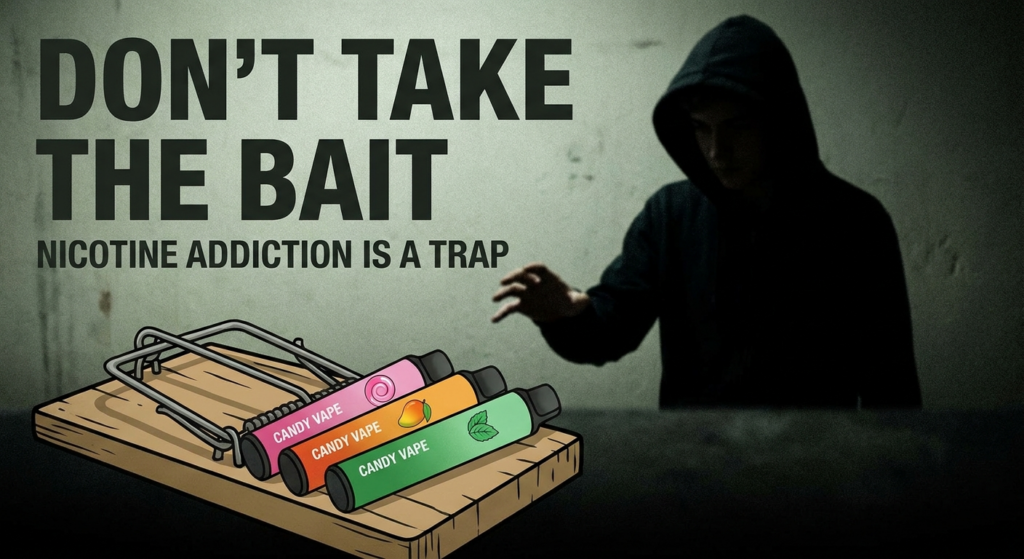
According to recent CDC data, millions of U.S. middle and high school students currently use e-cigarettes. Many mistakenly believe these products are harmless, attracted by:

  • Fruit and candy-flavored products
  • Sleek, technology-like device designs
  • Social media marketing and peer influence
  • Misperceptions about safety compared to traditional cigarettes

Effective School-Based Interventions

Schools play a critical role in preventing and reducing youth vaping. Evidence-based strategies include:

1. Comprehensive Education Programs

Rather than fear-based messaging, effective programs provide factual information about vaping risks while building students critical thinking skills. Interactive curricula that engage students in discussion prove more effective than lectures.

2. Policy Development and Enforcement

Clear, consistently enforced tobacco-free policies that include e-cigarettes send strong messages about community values. These policies should cover:

  • School grounds and events
  • School-sponsored transportation
  • Off-campus school activities

3. Support and Cessation Resources

Students already vaping need support, not just punishment. Schools can connect students with:

  • Counseling services
  • Peer support groups
  • Nicotine cessation programs designed for youth
  • Mental health resources addressing underlying stress or anxiety

4. Family and Community Engagement

Schools cannot solve this crisis alone. Successful initiatives involve:

  • Parent education about vaping devices and risks
  • Community partnerships with healthcare providers
  • Collaboration with local retailers on age verification
  • Student leadership opportunities in prevention efforts

What This Site Offers

Vape-Free Future serves as a comprehensive resource hub for schools, parents, and communities committed to reducing youth vaping. Here you will find:

  • Evidence-based prevention strategies and curricula
  • Policy templates and implementation guides
  • Resources for students seeking to quit vaping
  • Latest research and data on youth vaping trends
  • Success stories from schools and communities
  • Tools for engaging parents and community partners

Getting Started

Addressing youth vaping requires sustained commitment and multi-faceted approaches. Whether you are a school administrator developing new policies, a teacher seeking classroom resources, a parent concerned about your child, or a community leader organizing prevention efforts, this site provides the information and tools you need.

Together, we can create healthier environments where young people thrive without the burden of nicotine addiction.


Explore our resources section for specific tools, or browse our articles for in-depth guidance on prevention, intervention, and cessation strategies.

Scroll to Top